


From confusion to horror trips – the unpredictability of PCP
Angel dust – a pretty name for a dangerous drug
 “Angel dust”, the street name for PCP (phencyclidine), has a more powerful and longer-lasting effect than ketamine – and is highly unpredictable. It can act as a stimulant, reduce pain or cause hallucinations. The effect is heavily dependent on the dose taken and on the person’s mood. Small amounts cause giddiness and euphoria, while higher doses lead to insensitivity to pain, increase the risk of injury and may trigger extreme hallucinations. There are often sudden outbursts of aggression, which can lead to self-harm, violence towards others and may even have a fatal outcome.1
In the long term, PCP is psychologically addictive and can cause permanent confusion or symptoms similar to those of schizophrenia. The possession, purchase and sale of PCP are prohibited in Germany under narcotics legislation.1
From anaesthetic to illegal drug
Since the 1980s, phencyclidine (PCP) has been one of the five substances (the “NIDA‑5”) that the National Institute on Drug Abuse (NIDA) in the United States includes in standard in workplace screening. Originally introduced as an anaesthetic in the US in 1956, PCP was taken off the market as early as 1965 due to the high prevalence of psychological side effects it caused. Two years later, it re-emerged – this time on the drug scene populated by the flower children of San Francisco’s hippie movement. Subsequently, it became an increasingly popular illegal substance among young people.2
PCP strongholds
Some large US cities are hot spots for the consumption of PCP. A recent study from Houston investigated the proportion of PCP users among drug drivers. The figure was 19% in 2019, rising to 23% in 2023. The average PCP blood concentration was just under 50 ng/ml. Almost 80% of PCP users were men. PCP blood concentrations and demographic characteristics remained similar to those found in earlier studies from Houston. Another concerning finding was that almost 60% of people driving under the influence of PCP also tested positive for other drugs.3
Focus on PCP hot spots
There are various reasons why PCP abuse is particularly endemic in specific hot spots, such as some major cities in the US. For one thing, production and transport are much riskier than for conventional substances due to the chemicals used. For another, users in Great Britain and Europe are more likely to use ketamine – another dissociative anaesthetic, but one that has a more introspective effect and can influence self-perception. As a result, PCP is only rarely found on international drug markets.4
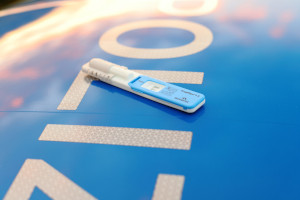
DrugWipe saliva test detects ketamine and PCP
Structurally speaking, phencyclidine is structurally related to ketamine. Both act as antagonists of the N‑methyl-Daspartate (NMDA) receptor in the brain.5 The DrugWipe S 602 G detects PCP just as reliably as ketamine.
Signs of PCP abuse
The indicators of PCP consumption are typical of dissociative anaesthetics, which also include ketamine. They comprise a chemical odour, bloodshot eyes, confusion, problems with balance, unclear speech, vertical/horizontal nystagmus (uncontrolled eye movements), impaired eye coordination, increased pulse rate and elevated blood pressure.3
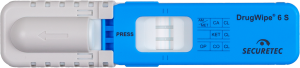
DrugWipe S 602 G – 6 drug groups incl. ketamine/PCP
Just ask – we’re always happy to help.
References:
1 O. V., PCP, drugcom.de, 27.08.2025;
2 O. V. (2025), Phencyclidin, Wikipedia, https://de.wikipedia.org;
3 Lee, D. et al (2025), Toxicological and demographic profiles of phencyclidine-impaired driving cases in Houston […], Journal of Analytical Toxicology, 49;
4 Dali, M. et al. (2021), Why America Is the Only Place in the World Where People Use PCP, Vice Digital Publishing, https://www.vice.com;
5 Bavato, F. et al. (2025), Ketamine addiction in Europe: any risks on the horizons;
Images provided by:
Securetec Detektions-Systeme AG; Sarah– stock.adobe.com; Сергей Шиманович – stock.adobe.com


